The dark web hosts a mix: a large legitimate side (news mirrors from the BBC and others, SecureDrop for whistleblowers, privacy tools, forums) and a genuine criminal side (markets for drugs and stolen data, ransomware leak sites). The most sensational content — red rooms, hitmen — is overwhelmingly fake. Most dark web traffic is people reading, not buying.
- Legitimate: news mirrors, SecureDrop, privacy tools, forums
- Criminal: markets, stolen data, ransomware leak sites
- Theatrical content (red rooms, hitmen) is mostly fake
- Most traffic is reading, not buying
- Real but small, criminal but policed, routinely exaggerated
“What's actually on the dark web?” is the question underneath most people's curiosity, and the honest answer is more mundane — and more interesting — than the myths. It's neither the utopia its defenders describe nor the nonstop horror show of the headlines. It's a mix, weighted toward the ordinary.
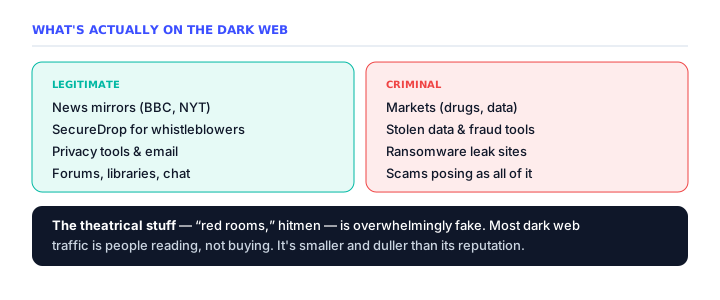
The legitimate side
A large and often-ignored part of the dark web is entirely legitimate:
- News mirrors — the BBC, The New York Times, ProPublica and others run onion versions so readers under censorship can reach them.
- Whistleblowing tools — SecureDrop lets sources send documents to journalists anonymously.
- Privacy services — encrypted email, secure chat, and the Tor Project's own resources.
- Forums and libraries — discussion, archives, and communities that value anonymity.
The criminal side
The dark web's reputation comes from its genuine criminal element: marketplaces selling drugs, stolen data, and fraud tools; ransomware leak sites; and forums for cybercrime. This is real and serious — but it's a policed niche, not the whole, and it's smaller than the coverage implies.
The theatrical stuff is mostly fake
The most sensational listings — “red rooms,” hitmen-for-hire, exotic horrors — are overwhelmingly scams or urban legends. The people profiting from “hire a hacker” are the scammers selling the fantasy. Much of the dark web's fearsome image is built on things that don't actually exist.
The honest reality
Most dark web traffic is people reading, not buying — the markets are a loud minority. The overall picture: real but small, criminal but policed, legitimate more often than its reputation suggests, and routinely exaggerated. If you want to explore the legitimate side, do it safely by verifying every address (finding sites via a dark web search engine still means checking each one) — and remember that aimless wandering is how people stumble into the parts worth avoiding.
Frequently asked questions
What is actually on the dark web?
A mix: legitimate sites like news mirrors (BBC, NYT), SecureDrop for whistleblowers, and privacy tools, alongside criminal markets for drugs and stolen data and ransomware leak sites. The sensational stuff like red rooms is mostly fake.
Are there legitimate sites on the dark web?
Yes, many. Major newsrooms run onion mirrors for readers under censorship, SecureDrop lets sources contact journalists anonymously, and there are encrypted email, secure chat, and privacy resources. This side rarely makes headlines.
Is everything on the dark web illegal?
No. A large part is legitimate — news, whistleblowing, privacy tools, forums. There's a real criminal element too, but it's a policed niche, not the whole, and most traffic is people reading rather than buying.
Are red rooms and hitmen real on the dark web?
No. These are overwhelmingly scams or urban legends. Live-streamed ‘red rooms’ are technically impossible on Tor, and ‘hire a hitman’ listings take cryptocurrency and deliver nothing.
Is the dark web as bad as people say?
It's smaller and duller than its reputation. There's real crime, but much of the fearsome image is built on fake or exaggerated content. Most of the dark web is text-heavy and mundane, including a substantial legitimate side.